
Structured Career Growth with Goals, Activities & Check-ins
Individual Development Plan
Create personalized development plans that connect career aspirations to concrete actions. Define career goals, identify skill gaps, assign development activities - from training courses to mentoring to stretch assignments - and track progress with regular check-ins between employees and managers.
undefined
undefined
From Career Aspirations to Measurable Growth
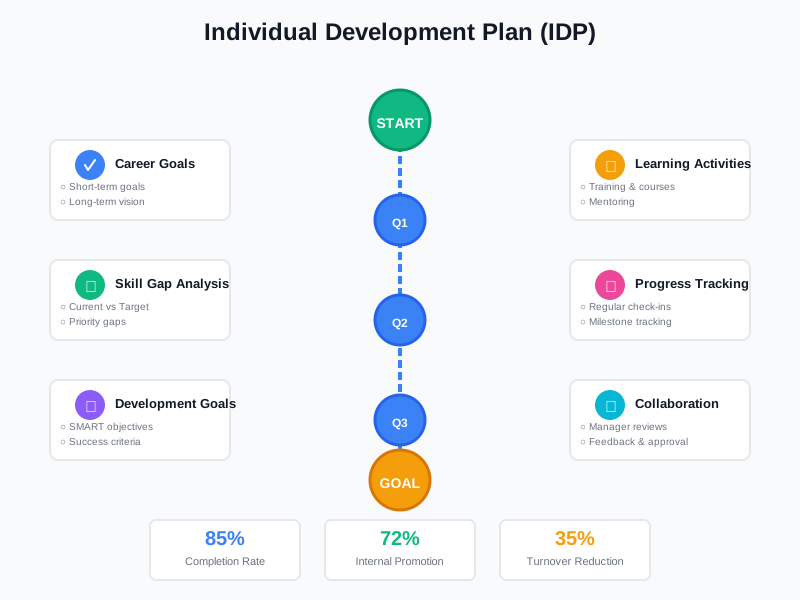
Noova IDP gives employees and managers a shared workspace for career development. Each plan starts with an honest assessment - current strengths, areas for improvement, skill gaps, and career aspirations. From there, specific development goals are set across five categories, activities are assigned with timelines, and progress is tracked through regular check-ins. Plans can be created from scratch, from templates, or generated from succession planning needs.
Current State Assessment
Document strengths, areas for improvement, skill gaps, and performance gaps as the starting point for every plan. This assessment drives goal priorities and activity selection.
Five Goal Categories
Set development goals across skill, competency, behavior, knowledge, and leadership categories. Each goal has success criteria, measurement methods, and a progress percentage.
Diverse Activity Library
Choose from 13 activity types including formal training, online courses, mentoring, coaching, job shadowing, stretch assignments, projects, reading, conferences, certifications, self-study, and workshops.
Structured Plan Workflow
Plans follow a clear lifecycle: draft, submitted for review, approved by manager, active during execution, and completed with documented outcomes.
What Individual Development Plans Enable
Employee-Owned Career Growth
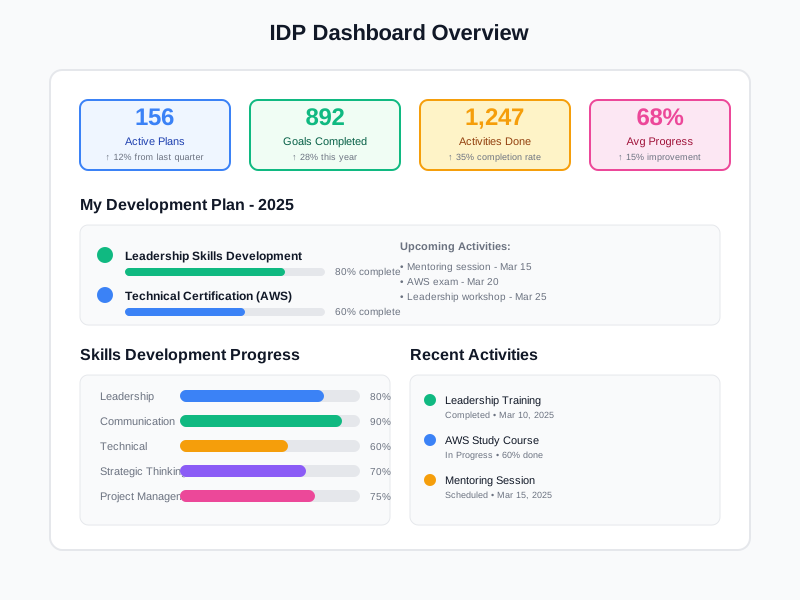
Employees take ownership of their development by defining career goals, selecting activities, and tracking their own progress. The plan is theirs - managers guide and approve, but employees drive the work.
Closing Competency Gaps
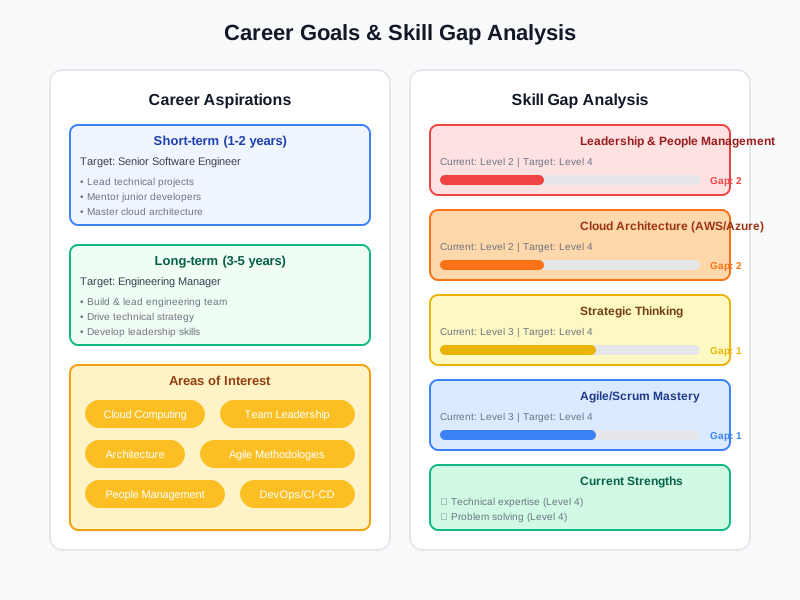
The competency gap analysis compares current skill levels to target levels, making it clear exactly which gaps need attention. Development goals and activities are then focused on closing those gaps.
Connecting Development to Business Needs
Plans can be created from succession planning requirements or linked to performance review outcomes. This ensures individual development efforts serve both the employee's career and the organization's talent needs.
Measurable Development Outcomes
Every goal has success criteria and a progress percentage. Check-ins document what's working and what needs adjustment. At completion, outcomes are recorded - skills acquired, competencies improved, and promotion readiness assessed.
Who Uses Individual Development Plans
Employees
Create and manage personal development plans, set career goals, complete assigned activities, and track progress toward professional growth targets.
Managers & Team Leaders
Review and approve team member plans, assign activities, conduct check-ins, and monitor team development progress from a single dashboard.
HR & Talent Development
Create plan templates, manage organization-wide development programs, analyze competency gaps across teams, and track development investment ROI.
Mentors & Coaches
Support mentees through development plan check-ins, track their assigned activities, and provide guidance on career goal achievement.
How Organizations Use Individual Development Plans
Developing Employees After Performance Reviews
After the annual review cycle, managers identify employees with specific competency gaps. They need to create targeted development plans that address the gaps identified during the review process.
- Created development plans linked to the latest performance review outcomes
- Competency gap analysis highlighted specific skills below target levels
- Development goals set for each identified gap with clear success criteria
- Activities assigned: training courses for technical skills, mentoring for leadership development
- Monthly check-ins scheduled between employees and managers to track progress
- Plan outcomes documented after completion - skills acquired and readiness levels updated
Preparing Succession Candidates for Leadership Roles
An organization has identified critical positions and potential successors through succession planning. The successors need structured development plans to close readiness gaps and prepare for future roles.
- Created development plans directly from succession planning requirements
- Career goals set with the target leadership position and required competencies
- Activities included stretch assignments, job shadowing in the target role, and executive coaching
- Quarterly check-ins with both the direct manager and assigned mentor
- Cost tracking for coaching and conference attendance with budget approval
- Promotion readiness assessed at plan completion and fed back into succession data
Scaling Development with Templates
A growing organization needs to provide development plans for employees in similar roles. HR wants to standardize the planning process while still allowing customization for individual needs.
- HR created templates for common roles - new managers, technical leads, senior specialists
- Templates included pre-defined career goals, suggested activities, and check-in schedules
- Employees created plans from templates and customized goals to match their specific gaps
- Managers reviewed and approved plans with role-specific adjustments
- Analytics dashboard showed template usage and plan completion rates across the organization
Using IDP Step by Step
1
Assess Current State & Set Career Goals
Start by documenting current strengths, areas for improvement, and skill gaps. Define short-term and long-term career goals - including target positions, desired skills, and professional interests. This assessment forms the foundation of the entire plan.
2
Create Development Goals & Assign Activities
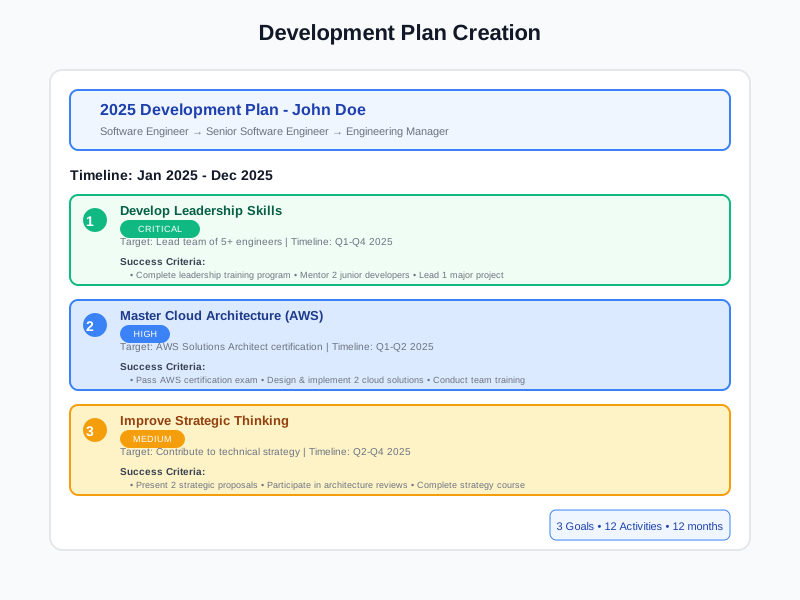
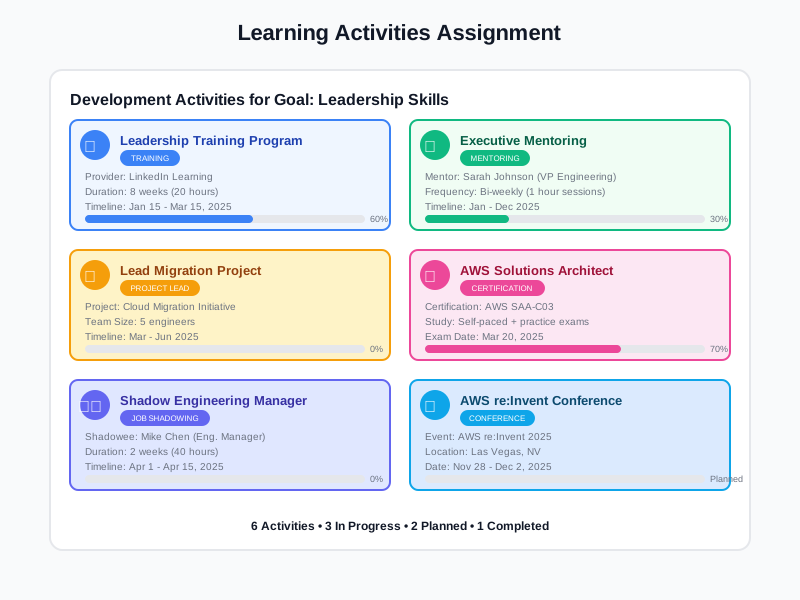
Set specific development goals across five categories - skill, competency, behavior, knowledge, and leadership. For each goal, define success criteria and assign activities from 13 types: training, courses, mentoring, coaching, job shadowing, stretch assignments, projects, and more.
3
Submit for Approval & Start Execution
Submit the plan to your manager for review. Once approved, the plan becomes active and you can start working on activities. The plan status tracks your progress, and both you and your manager can see the current state at any time.
4
Check In, Track Progress & Complete
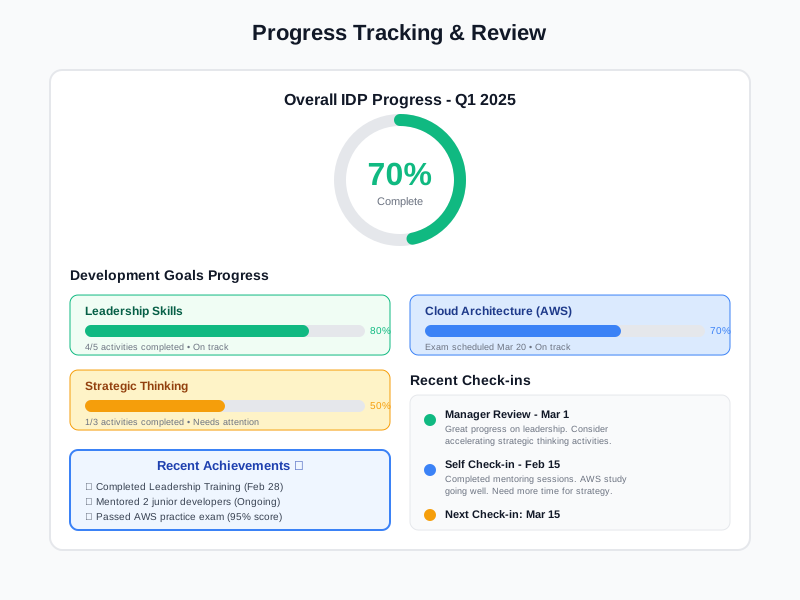
Schedule regular check-ins - self-assessment, manager review, or mentor sessions. At each check-in, note progress, challenges, and any adjustments needed. As goals are achieved and activities completed, the plan moves toward completion with documented outcomes.
Complete Feature Breakdown
Career Goals & Assessment
Define career aspirations and assess the current state to create a clear development direction.
Development Goals
Set structured development goals with clear targets and measurement methods.
Development Activities
Assign diverse learning and development activities from a library of 13 types.
Check-ins & Reviews
Conduct regular progress reviews with multiple check-in types and detailed notes.
Plan Workflow & Approval
Plans follow a structured lifecycle from creation to completion with manager approval.
Templates
Create and manage plan templates to standardize development planning across the organization.
Analytics & Reporting
Track development progress and outcomes across individuals, teams, and the organization.
Frequently Asked Questions
Common questions about Individual Development Plans
Ready to Structure Career Development?
Create personalized development plans, assign meaningful activities, track progress with regular check-ins, and connect individual growth to organizational talent needs.


