
Structured Onboarding & Professional Offboarding for Every Employee
Employee Lifecycle Management
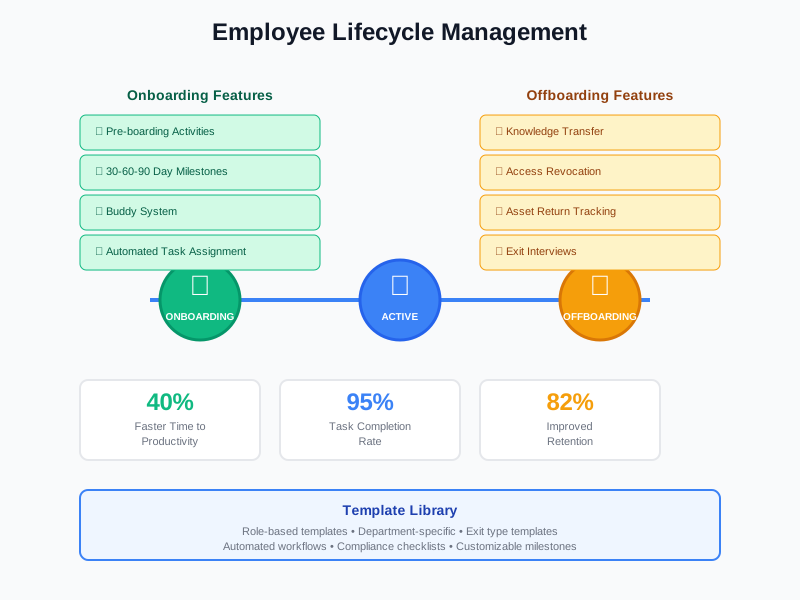
Guide new hires from pre-boarding through their first 90 days with milestone tracking, task assignments, buddy support, and manager check-ins. When employees depart, manage knowledge transfer, equipment returns, exit interviews, and multi-step clearance - all in one place.
undefined
undefined
One Platform for the Entire Employee Journey
Noova Employee Lifecycle Management covers every stage of employee transitions. For new hires, create structured onboarding plans with five milestones - from activities before day one through the 90-day mark. Assign tasks to HR, IT, managers, buddies, and the employee themselves. Set 30-60-90 day goals, schedule manager check-ins, collect documents with electronic signatures, provision equipment, and auto-enroll new hires in training. When employees leave, manage the full departure process with knowledge transfer, exit interviews, equipment returns, and multi-step clearance workflows.
Structured Milestones
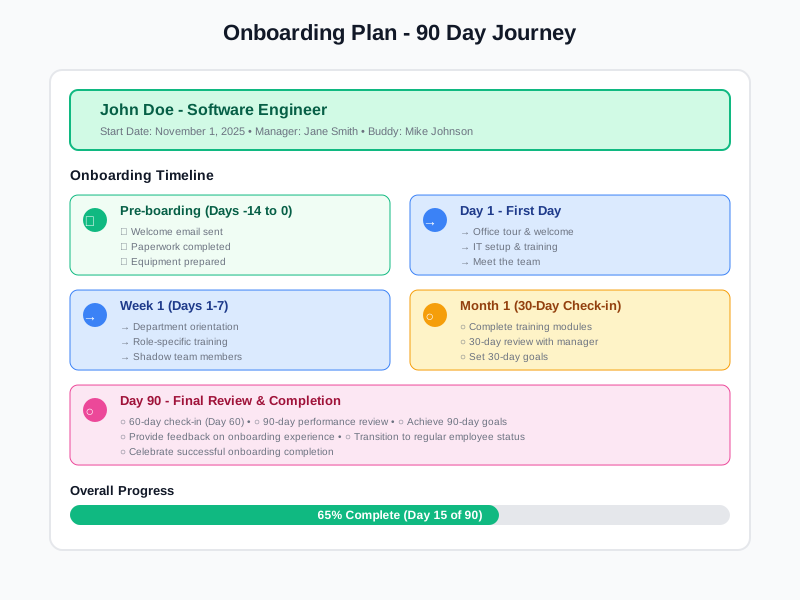
Five onboarding milestones - pre-boarding, first day, first week, first month, and day 90 - give new hires and their teams a clear roadmap with tasks and goals at each stage.
Documents & Signatures
Collect offer letters, NDAs, handbooks, contracts, IDs, certificates, and bank details. Track document status with electronic signature and verification workflows.
Knowledge Transfer & Clearance
When employees depart, document knowledge handovers and run a multi-step clearance process through HR, IT, manager, and final approval before departure is complete.
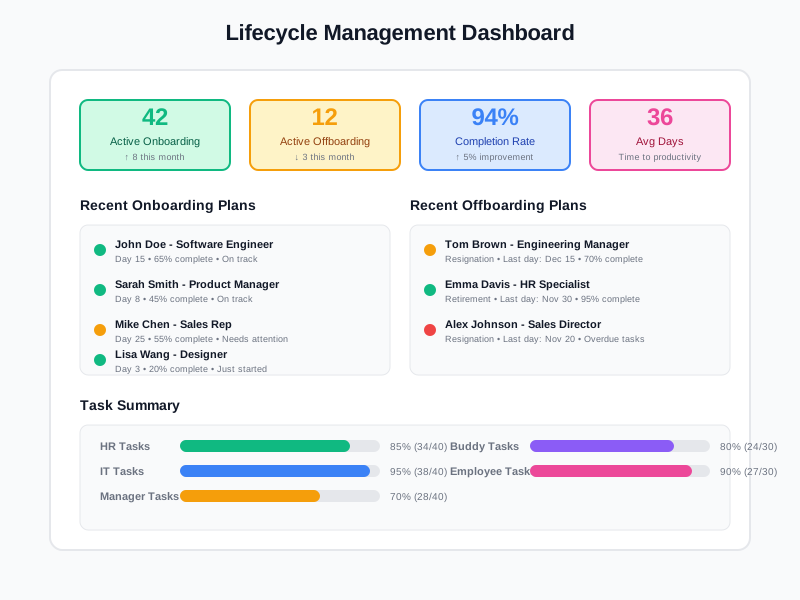
Lifecycle Analytics
Track onboarding completion rates, time-to-productivity, retention metrics, exit reason analysis, and turnover trends - with export to Excel for reporting.
What Employee Lifecycle Management Enables
Faster New Hire Integration
Structured milestones, 30-60-90 day goals, and scheduled check-ins help new employees become effective in their roles faster. Buddies provide peer support while managers track progress at every stage.
Complete Compliance at Every Transition
Mandatory task checklists ensure all documents are collected, equipment is provisioned or returned, access cards are managed, and clearance steps are completed for both onboarding and offboarding.
Institutional Knowledge Preservation
Structured offboarding with knowledge transfer planning captures critical information before employees depart. Documentation and handover plans minimize disruption to ongoing work.
Data-Driven Retention Insights
Exit interviews and lifecycle analytics reveal why employees leave and how onboarding effectiveness connects to retention. Use this data to continuously improve your employee experience.
Who Uses Employee Lifecycle Management
HR Teams
Design and manage onboarding and offboarding processes, ensure compliance, track lifecycle metrics, conduct exit interviews, and continuously improve the employee experience.
Managers
Welcome new team members, conduct check-ins, set 30-60-90 day goals, manage knowledge transfer for departing employees, and participate in clearance approvals.
IT & Operations
Provision and track equipment assignments, manage building access cards, handle system access, and ensure all assets are returned during offboarding.
New & Departing Employees
Follow clear onboarding milestones, submit required documents, complete assigned tasks, and work through the departure process when leaving the organization.
How Organizations Use Lifecycle Management
Onboarding a New Employee from Pre-boarding to Day 90
A new hire is joining the team in two weeks. HR needs to prepare everything before day one - documents, equipment, access, training - and then guide the employee through their first 90 days with clear milestones and support.
- Pre-boarding tasks activated two weeks before the start date: document collection, equipment request, access card setup
- Day 1 tasks assigned to HR, IT, manager, and buddy - orientation, workspace setup, introductions
- Buddy assigned to provide peer support during the first weeks
- 30-60-90 day goals set by the manager and tracked through scheduled check-ins with ratings
- New hire auto-enrolled in required training programs
- Onboarding completion tracked at each milestone with full visibility for HR and management
Managing an Employee's Departure with Full Clearance
An employee has submitted their resignation. HR needs to ensure knowledge is transferred, equipment is returned, access is revoked, and all clearance steps are completed before the last working day.
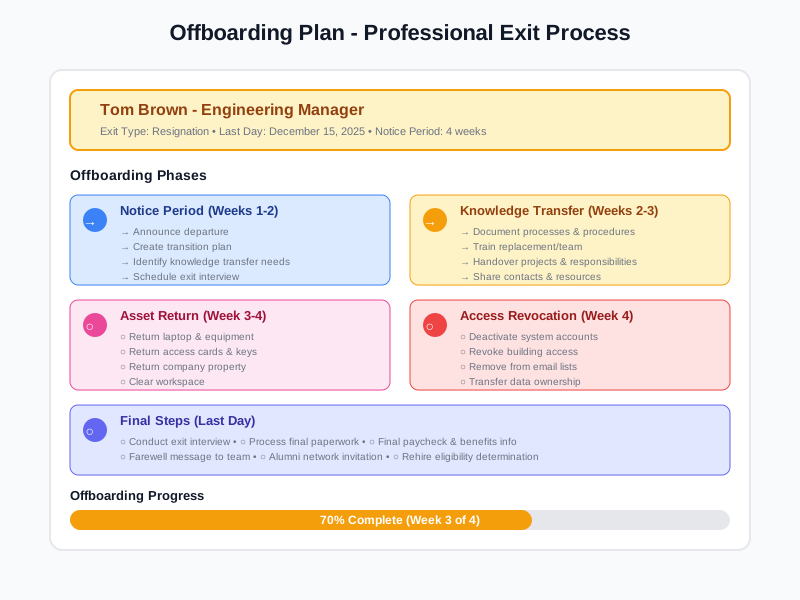
- Offboarding plan created with departure date, exit reason, and notice period tracked
- Knowledge transfer plan documented with handover tasks assigned to the departing employee and their replacement
- Equipment return checklist generated with condition assessment for each item
- Building access card collected and deactivated
- Multi-step clearance processed through HR, IT, manager, and final approval
- All offboarding tasks tracked with due dates and completion status
Running Exit Interviews to Understand Turnover
HR wants to understand why employees are leaving and identify patterns that could improve retention. They need a structured exit interview process with multiple format options and a way to analyze the data.
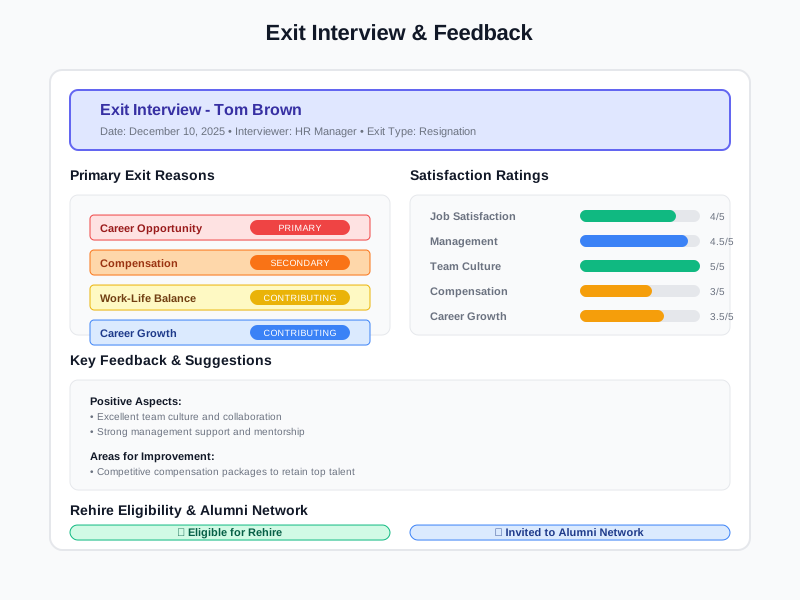
- Exit interviews scheduled as part of every offboarding plan, typically one to two weeks before the last day
- Multiple interview formats offered: in-person, video call, phone, or written survey
- Custom interview questions covering departure reasons, job satisfaction, management feedback, and workplace culture
- Satisfaction ratings collected and aggregated across all exit interviews
- Exit reason analysis revealed trends by department, role, and tenure
- Turnover rate reports generated and exported to Excel for leadership review
Using Employee Lifecycle Management Step by Step
1
Create an Onboarding Plan from a Template
Select a pre-built template or create a custom plan. Enter the new hire's details, start date, assigned manager, and buddy. The plan populates tasks across all five milestones with assignments for HR, IT, the manager, the buddy, and the employee.
2
Track Progress Through Milestones and Check-ins
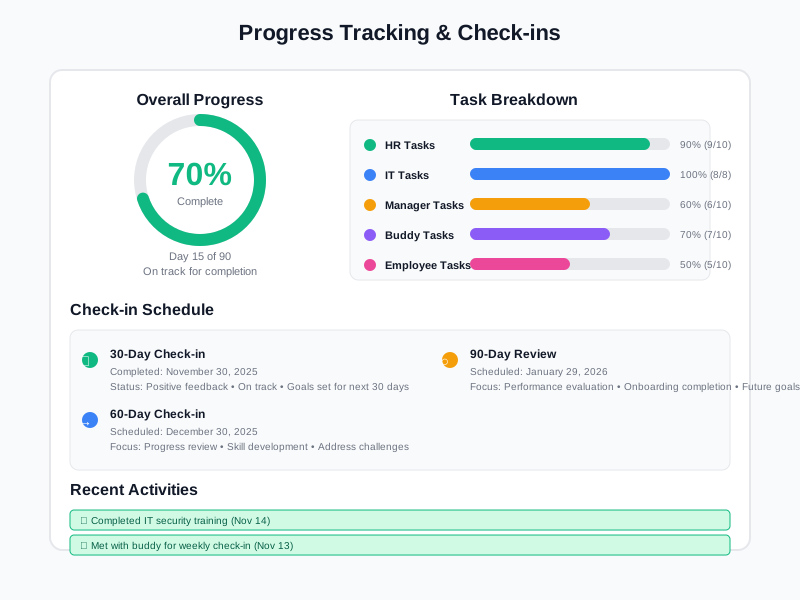
Monitor task completion at each milestone - pre-boarding, first day, first week, first month, and day 90. Managers conduct scheduled check-ins with ratings and action items. 30-60-90 day goals are reviewed and updated at each stage.
3
Initiate Offboarding with Knowledge Transfer and Clearance
When an employee departs, create an offboarding plan with the exit reason and departure date. Assign knowledge transfer tasks, generate the equipment return checklist, and start the multi-step clearance workflow through HR, IT, manager, and final approval.
4
Conduct Exit Interviews and Review Analytics
Schedule an exit interview in the format that works best - in-person, video, phone, or survey. Collect responses and satisfaction ratings. Review lifecycle analytics including onboarding completion rates, exit reason trends, and turnover metrics. Export reports to Excel.
Complete Feature Breakdown
Onboarding Plans & Milestones
Create structured onboarding journeys from pre-boarding through the 90-day mark with tasks, goals, and check-ins at each milestone.
Task Management by Role
Assign and track tasks across five categories so every team involved in the transition knows exactly what they need to do.
Document Collection & Signatures
Collect, verify, and manage employee documents with electronic signature support throughout onboarding.
Equipment & Access Management
Request, assign, and track company equipment and building access cards through structured workflows.
Offboarding & Clearance
Manage employee departures with structured processes for knowledge transfer, asset collection, and multi-step clearance.
Exit Interviews
Conduct structured exit interviews with flexible formats and custom questions to understand why employees leave.
Lifecycle Analytics & Reporting
Track onboarding effectiveness, offboarding completion, turnover trends, and exit insights with comprehensive dashboards.
Frequently Asked Questions
Common questions about Employee Lifecycle Management
Ready to Streamline Employee Transitions?
Structure your onboarding from pre-boarding to day 90, manage professional offboarding with full clearance workflows, and gain insights from exit interviews and lifecycle analytics.


